
Product surfaces built to scale.
At Accenture Song, Markus built scalable React and TypeScript systems, connected design systems to delivery, and kept quality, accessibility, and performance in the foreground.
React, TypeScript, Next.js, Web Components, and headless CMS platforms
Design systems, component libraries, accessibility, and responsive UI
UX strategy, prototyping, testing, and design-to-engineering translation
Agile collaboration, client advisory, workshops, and product alignment
At Accenture Song, Markus built scalable React and TypeScript systems, connected design systems to delivery, and kept quality, accessibility, and performance in the foreground.
At Sinner Schrader, the work moved through enterprise frontend platforms, reusable component structures, CMS integration, and architecture decisions that could survive real delivery pressure.
From Hauser Lacour to comwrap, the recurring thread is the same: visual intent, user journeys, typography, interaction behavior, and frontend implementation moving as one discipline.
Visual treatment

TypeScript, React, Next.js, Web Components, and CMS-backed architectures are used to make product surfaces scalable, maintainable, and ready for real teams.

Wireframes, prototypes, design systems, responsive behavior, accessibility, and testing turn product ideas into interfaces that people can actually use.

Workshops, client advisory, agile collaboration, and design-to-engineering translation keep stakeholders, designers, and developers moving toward the same product.






Pinned passage




Motion score
The work starts with user journeys, interaction concepts, and product behavior before it becomes implementation detail.
Component libraries, micro-frontends, headless CMS integrations, and typed architectures keep large interfaces coherent.
High-fidelity designs from Figma, Adobe XD, and Sketch are translated into production-ready architecture without losing the original intent.
UX, backend engineering, DevOps, stakeholders, and client teams are connected through clear communication and practical frontend decisions.
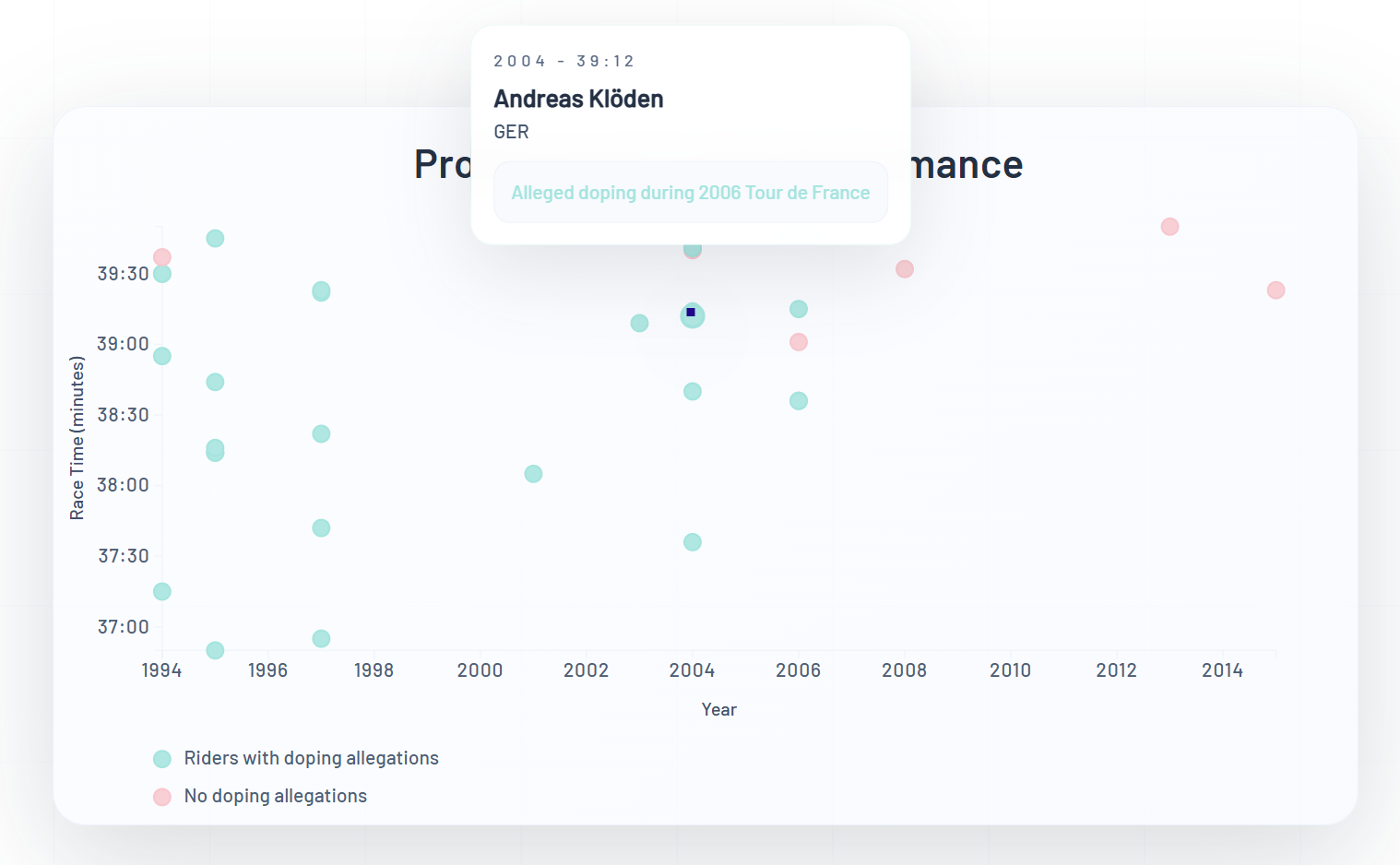
Recent focus areas include machine learning foundations, algorithmic thinking, data structures, D3, and JavaScript-based visualization.
A structured career break focused on family responsibilities, modern frontend learning, machine learning foundations, and data visualization practice.

Senior Product Engineer building scalable frontend systems with TypeScript, React, Next.js, headless CMS platforms, design systems, and accessible multi-region interfaces.

Product engineering for enterprise platforms, expanding from hands-on frontend delivery into architecture, consulting, and reusable component systems.
Creative development at the bridge between visual design and frontend engineering, translating brand concepts into high-performance digital experiences.

UX design and frontend development for B2C, B2B, and D2C platforms across finance, fintech, pharma, healthcare, and publishing projects.

Udacity nanodegrees, XDi UX certification, freeCodeCamp JavaScript and D3/data visualization work, and visual communication studies in Offenbach.
Production notes
Interfaces are judged by how well they work across devices, abilities, and real product contexts, not only by how clean the first screen looks.
Reusable patterns, atomic design principles, and clear interface contracts make product teams faster without flattening the design.
Contentful, Adobe Experience Manager, TYPO3, and frontend templating experience keep editorial systems tied to flexible interfaces.
Quality, maintainability, performance optimization, and pragmatic collaboration turn ambitious designs into products that ship.
Prototype note
Markus bridges product engineering, frontend architecture, and design practice so teams can move from intent to interface without losing clarity, quality, or the human reason for building.